The importance of ventilation solutions for Gainesville roofs
Discover how proper ventilation solutions can protect your Gainesville roof and improve your home's energy efficiency.
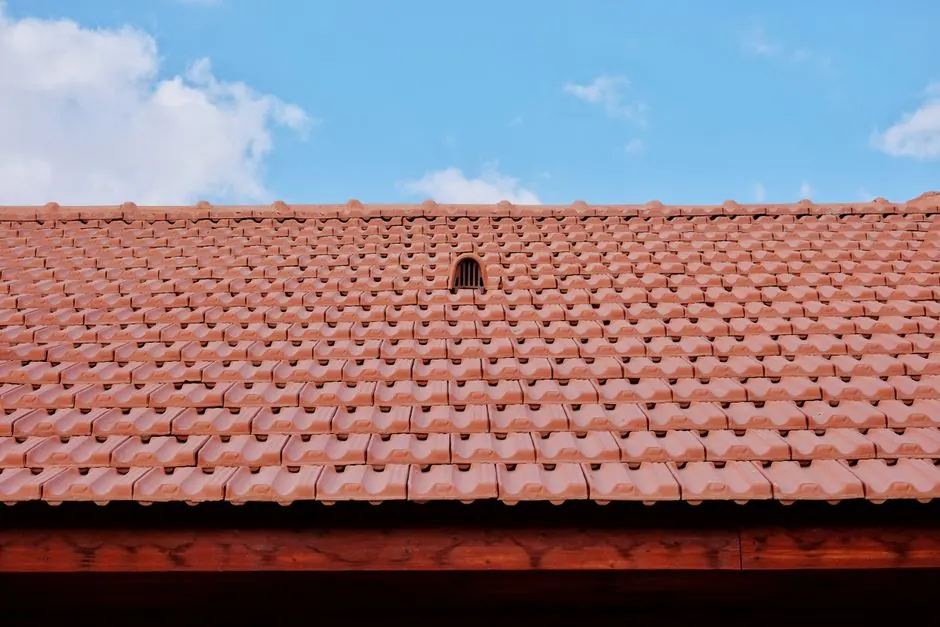
Proper ventilation solutions are essential for maintaining the health and longevity of roofs in Gainesville. These systems are designed to regulate airflow, preventing moisture buildup and excessive heat, which can lead to costly repairs or replacements.
This article will explore the significance of ventilation solutions, the types available, common mistakes to avoid, and when to seek help from professionals.
What are ventilation solutions?
Ventilation solutions are systems that allow air to circulate within the roof space, helping to control temperature and humidity levels. In Gainesville, where humidity can be high, effective ventilation is crucial to prevent mold growth and structural damage.
Why is ventilation important for roofs in Gainesville?
In Gainesville, proper roof ventilation is vital due to the area's humid climate. Without adequate airflow, heat and moisture can accumulate in the attic, leading to:
- Increased energy costs due to higher cooling demands.
- Potential for mold and mildew, which can affect indoor air quality.
- Damage to roofing materials, shortening their lifespan.
Homeowners often overlook the importance of ventilation until they face these issues. Regular inspections and maintenance can help mitigate these risks.
What types of ventilation solutions are available?
Several types of ventilation solutions can be implemented in Gainesville roofs, including:
- Ridge Vents: Installed at the peak of the roof, these vents allow warm air to escape while drawing in cooler air from the eaves.
- Soffit Vents: Located under the eaves, soffit vents provide a continuous flow of air into the attic space.
- Gable Vents: Positioned on the gable ends of the roof, these vents can be either passive or powered to enhance airflow.
- Power Vents: Electrically powered fans that actively push hot air out of the attic, ideal for homes with significant heat buildup.
Each type has its advantages, and often a combination of these solutions will yield the best results. Consulting with a ventilation solutions company in Gainesville can help you determine the best approach for your home.
Common mistakes in roof ventilation
Many homeowners make critical errors regarding roof ventilation, which can lead to significant problems. Common mistakes include:
- Neglecting to install sufficient intake vents.
- Blocking vents with insulation or other materials.
- Failing to maintain or clean existing vents.
Addressing these issues early can save homeowners from expensive repairs and prolong the life of their roofs.
When to call a professional
It's advisable to consult a roofing expert if you notice signs of poor ventilation, such as excessive heat in the attic, visible mold, or increased energy bills. Roof inspection services can identify ventilation issues and recommend appropriate solutions.
Frequently Asked Questions
1. How often should I check my roof ventilation? Regular inspections should be conducted at least once a year, especially before summer and winter.
2. Can poor ventilation cause roof damage? Yes, inadequate ventilation can lead to moisture buildup, which can damage roofing materials and lead to mold growth.
3. What are the signs of poor roof ventilation? Common signs include excessive heat in the attic, visible mold, and increased energy costs.
4. How much do ventilation solutions cost in Gainesville? Typical costs for ventilation solutions can range from $300 to $1,500, depending on the type and complexity of the system.
5. Do I need a permit for roof ventilation installation? Depending on local regulations, permits may be required for new installations. It's best to check with local authorities.